
The Changing Landscape of Federal Reserve Policies: Understanding the New Norm of Inflation
Historical Perspective on Federal Reserve Inflation Goals
The Federal Reserve, established in 1913, has undergone significant transformations in its approach to managing inflation. Historically, one of its primary objectives has been to maintain a stable inflation rate, with a long-standing target of keeping this rate below 2%. This target reflects a belief in the necessity of price stability for promoting sustainable economic growth. The rationale behind this inflation target lies in mainstream economic theories that suggest low and stable inflation fosters consumer confidence, encourages investment, and prevents the erosive effects of hyperinflation.
Over the decades, the Federal Reserve’s inflation goals have been influenced by various economic models and theories. Keynesian economics, which emphasizes demand-side factors, played a crucial role in shaping early monetary policies. However, in the 1970s, the emergence of stagflation—a simultaneous occurrence of high inflation and unemployment—led to a reevaluation of these principles. This period marked a significant turning point where the Federal Reserve, under Chairman Paul Volcker, adopted a stringent policy approach that prioritized inflation control over other economic indicators.
In the decades following Volcker’s tenure, the Federal Reserve successfully maintained lower inflation rates, leading to a greater emphasis on the 2% target. The move to establish an explicit inflation target reflected a shift towards a more transparent and predictable monetary policy framework. However, challenges have persisted. Economic events such as the dot-com bubble, the 2008 financial crisis, and more recently the COVID-19 pandemic have necessitated adjustments in policy strategies, often prompting discussions around the adequacy and relevance of the 2% inflation target. These historical insights provide a crucial backdrop to understanding the contemporary conversations surrounding inflation and the Federal Reserve’s evolving role in monetary policy management.
The 9/17/25 Decision: A Closer Look at the Fed’s Rate Cut
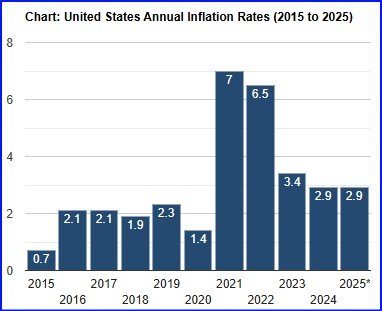
On September 17, 2025, the Federal Reserve made a significant decision to lower the fed prime rate to 7.25%, a move that was met with both relief and skepticism among financial analysts and market participants. This decision occurred in a context where the inflation rate stood at 2.9%, a relatively modest figure compared to historical trends. The motivations behind this rate cut warrant careful examination, particularly in light of recent economic developments.
One possibility is that the Federal Reserve acted on its own volition, targeting a more accommodative monetary policy to stimulate economic growth. Central banks often implement such measures to encourage borrowing, investment, and consumer spending, especially during periods of low inflation. However, the environment surrounding this decision raises questions about whether the Fed’s action was purely proactive or if it was influenced by external pressures.
Economic downturns, fluctuations in the stock market, and global events often impact the Federal Reserve’s policy decisions. In the lead-up to the September 2025 rate cut, there were signs of market volatility, as well as concerns over sluggish growth in certain sectors. Statements from Federal Reserve officials have indicated that they are vigilant to such trends, suggesting that their decision might have been a calculated response to safeguard against broader economic instability.
Moreover, commentary from financial analysts supports the idea that this rate adjustment could be a strategic move to bolster consumer confidence and stimulate demand. As inflation remains within a manageable range, a lower prime rate could incentivize spending and investment, potentially paving the way for sustained growth. Through a comprehensive analysis of this decision, it becomes evident that the motivations may encompass a combination of proactive policy adjustments alongside reactions to evolving economic conditions. Understanding these dynamics is crucial for interpreting the current landscape of Federal Reserve policies and their implications for the economy.
The Implications of Higher Inflation Rates
In recent years, inflation rates have exceeded the previously targeted 2%, establishing a new norm above 3%. This shift towards heightened inflation levels has significant ramifications for the economy as a whole, particularly affecting consumer purchasing power, interest rates, and overall economic stability. Understanding these implications is essential in today’s financial environment.
One of the most immediate impacts of sustained higher inflation is the erosion of consumer purchasing power. As prices increase, the same amount of money buys fewer goods and services, leading to a decrease in real income. This phenomenon particularly affects low- and middle-income households, who may struggle to keep up with rising costs. Economists warn that persistent inflation could lead to altered consumer behavior, as households may prioritize essential goods over discretionary spending, which can slow economic growth.
Another vital aspect of sustained higher inflation is its influence on interest rates. The Federal Reserve typically raises interest rates in response to exceeding inflation targets, aiming to control inflationary pressures. Higher interest rates can increase the cost of borrowing for consumers and businesses alike, potentially leading to reduced investments and consumer spending. Conversely, some sectors, such as finance, may benefit from increased rates, allowing for better returns on investments and savings.
Furthermore, the repercussions of higher inflation rates can extend to broader economic stability. Uncertainty surrounding inflation can lead to volatility in financial markets, reducing investor confidence. Different sectors may react differently; for instance, industries heavily reliant on consumer spending might experience downturns, while those with pricing power may mitigate the effects of inflation on their margins. In essence, higher inflation rates represent a complex challenge that requires a multifaceted approach to understanding and navigating its implications.
What Lies Ahead: Future of Federal Reserve Policies and Inflation
The trajectory of Federal Reserve policies in the face of rising inflation presents a complex and dynamic challenge for economists and policymakers alike. As inflation continues to reshape economic discourse, future strategies employed by the Federal Reserve may focus on a delicate balance between fostering economic growth and stabilizing prices. In the coming years, adjustments to interest rates and asset purchase programs are likely options as the Fed aims to combat inflationary pressures while also supporting recovery.
One plausible approach could involve gradual interest rate increases designed to curb excessive spending, which often drives inflation. By carefully observing economic indicators, the Federal Reserve can implement these changes incrementally, allowing a smoother adjustment for markets and consumers. Furthermore, communicating policy intentions effectively to the public and financial markets will be key in minimizing reactionary volatility.
Public sentiment regarding inflation poses another layer of complexity influencing future Fed policies. If inflation perception among consumers and businesses strengthens, it could lead to adaptive behaviors, such as increased pricing strategies and wage demands, exacerbating inflationary trends. The Federal Reserve will need to address these expectations carefully, potentially deploying forward guidance to help manage public perceptions while maintaining credibility in its commitment to price stability.
Moreover, the role of technology and innovation in monetary policy cannot be overlooked. The emergence of digital currencies, fintech innovations, and enhanced data analytics tools may enable the Federal Reserve to implement more effective, responsive policy measures. By leveraging these advancements, the Federal Reserve could better understand and react to inflation dynamics in real time, ultimately helping to steer the economy toward desired outcomes.
While the future of Federal Reserve policies amid rising inflation involves navigating uncharted waters, a combination of strategic interest rate adjustments, awareness of public sentiment, and the embrace of technology will likely play crucial roles in shaping sound monetary policy moving forward.